

One of the challenges we face with skin care is how our skin changes as we age.
Blood vessels become more fragile, so older adults may be more susceptible to bruising. There is a loss of collagen and elastin, which results in wrinkles and the skin becoming more frail.
Menopause and the resulting hormonal changes can result in the skin becoming thinner. There are also skin symptoms noted with chronic illnesses such as diabetes, kidney disease, and heart disease.
And of course, in the summer, the giant yellow orb in the sky beloved by sun worshippers is unfortunately a significant variable. The sun is a heavy hitter when it comes to skin aging. The ultraviolet light emitted from the sun can affect wrinkle development, premature aging of the skin, and even skin cancer.
What can you do to take care of your skin?
Hydration in and out. Drink adequate amounts of water daily, being mindful if you have any fluid restrictions due to illness. If you are concerned about how much water you should be drinking, talk to your primary care provider to give you guidance. Moisturize your skin twice a day. Moisturizer should be simple, no perfumes needed as they can dry out the skin.
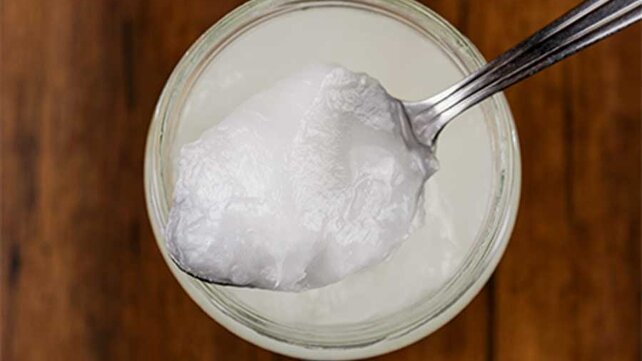
Make your own moisturizer
Take one to two cups of organic coconut oil (or as much as you like) and scoop into a bowl.
Optional: Add several drops of food grade essential oil for scent, such lavender or citrus.
Using a handheld mixer, gently whip the coconut oil on low speed until moisturizer is light and airy. Store in a glass container in a cool, dark place.
Sunscreen is your best friend
Let’s talk sunscreen. Baby oil is not sunscreen. Many aim for a nice crisp when catching some summer rays, but this is one of the key factors to prematurely aging skin.
What is important is sun protection factor, or SPF. SPF is the level of protection a sunscreen provides. For daily use, SPF 30 will protect you from approximately 97 percent of the ultraviolet B rays—the main rays that cause sunburn. Everyone should use sunscreen, regardless of skin tone to protect their skin and avoid sunburn.
Sunscreen should be reapplied about every two hours, unless you go for a swim—then reapply once you are out of the water. When purchasing sunscreen, it doesn’t have to be fancy—purchase an affordable store brand, such as Trader Joe’s, which works just as well. The important factor is that SPF.
How to treat a sunburn
If you do get a sunburn – hydrate with moisturizer! Applying a moisturizer with aloe vera or soy will help heal the skin. For extra soothing comfort, refrigerate the moisturizer for at least an hour or two before applying. Consider cool baths and showers with a gentle washcloth to help cool down the sensitive skin.
If you have an extensive burn with large blisters, or a fever, dizziness, or severe pain, give your primary care provider a call. If they are not available, visit your local urgent care for further management. Remember—your skin is your skin for life. Take care of your skin and it will help take care of you.


Find a Doctor