
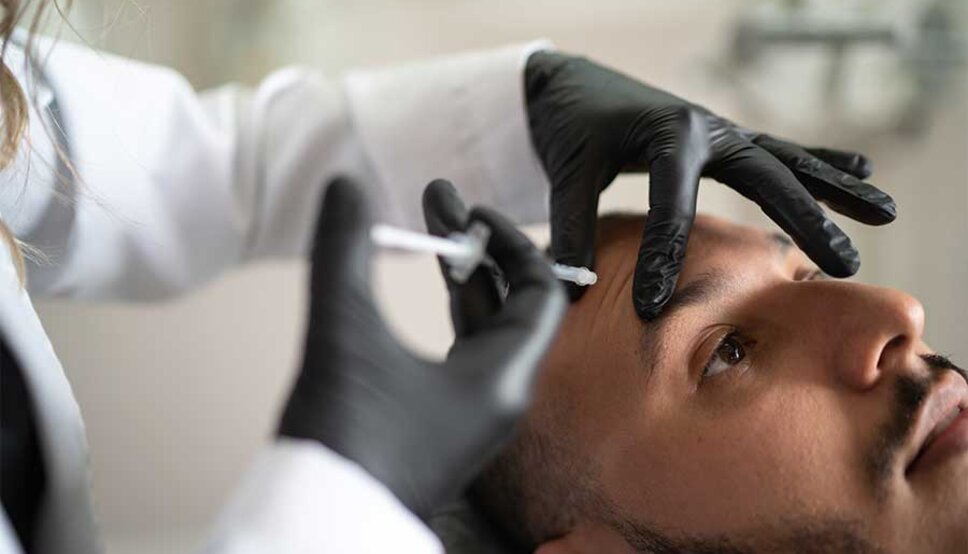
When most people hear the word Botox, they immediately think of wrinkle-smoothing beauty treatments. But did you know Botox has a long history of medical uses far beyond cosmetic procedures? From easing painful muscle spasms to helping manage chronic migraines, Botox has become a versatile and powerful treatment in modern medicine.
What is Botox?
Botox (botulinum toxin) is a drug derived from a neurotoxin produced by the bacterium Clostridium botulinum. This neurotoxin works by temporarily blocking nerve signals that tell a muscle to contract. When these signals are interrupted, the muscle becomes relaxed or even temporarily paralyzed, which can be beneficial for both cosmetic and medical purposes. While many people know Botox for its wrinkle-reducing effects, it has been used safely and effectively for decades in treating conditions affecting nerves and muscles (such as spasms and tremors).
Cosmetic Botox vs. medical Botox
Cosmetic Botox is most commonly used to soften facial wrinkles by relaxing the muscles that cause frown lines, crow’s feet, and forehead creases. This results in a smoother, younger looking appearance. Treatments are typically quick and require little downtime, making them a popular choice for people looking for subtle aesthetic enhancements.
In contrast, medical Botox uses the same active ingredient, botulinum toxin type A, to address a wide variety of health conditions. It is FDA-approved for several therapeutic uses and can be a life-changing treatment for patients who struggle with excessive or uncontrolled muscle activity.
Unlike cosmetic Botox, which primarily targets facial appearance, medical Botox is administered with the goal of improving function, reducing pain, and enhancing patients’ quality of life.
What health conditions can Botox treat?
Medical Botox injections have proven to be very effective in neurology and other specialties. It is often prescribed to manage conditions such as chronic migraines, post stroke spasticity due to multiple sclerosis or cerebral palsy, dystonia, hemifacial spasm, blepharospasm (uncontrolled blinking), and other conditions. For example, at the Movement Disorders Program, Botox injections are regularly part of treatment for movement disorders, which involve excessive or unwanted movements.
By blocking nerve signals that cause muscles to contract involuntarily, Botox can help reduce spasms, ease pain, and significantly improve daily functioning and quality of life for many patients.
Side effects and safety of Botox
When administered by a trained medical professional, Botox is generally considered very safe, with side effects that are usually mild and short-lived. Some patients may experience pain, swelling, or bruising at the injection site, while others might have headaches, flu-like symptoms, or temporary weakness in nearby muscles. Rarely, if the toxin spreads beyond the intended area, more serious complications can occur, such as difficulty swallowing or breathing. That is why it is crucial to seek treatment from a licensed, experienced provider who understands proper injection techniques and dosing. With appropriate care, Botox remains a highly effective and safe treatment for both cosmetic and medical purposes.
If you or a loved one are experiencing symptoms of a movement disorder, talk to your primary care provider about your concerns or a referral to the Movement Disorders Program at Rhode Island Hospital. Our specialists will provide comprehensive care tailored to your needs.
Written by Molly Santaniello, Syracuse University ’26, medically reviewed by Dr. Emily Weisbach.




Find a Doctor