
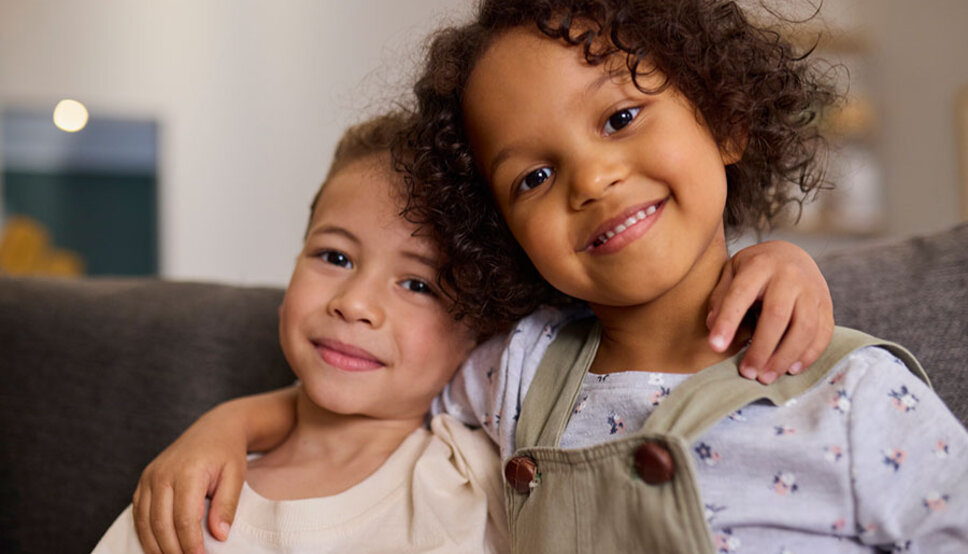
Sibling relationships are often our first taste of friendship, rivalry, loyalty, and shared joy—all rolled into one. Whether you're thick as thieves or constantly butting heads, the bond between siblings can shape how we communicate, resolve conflict, and connect with others throughout life.
Role of the sibling in personal development
Most children in the U.S.—about 80 percent—have at least one sibling, meaning sibling relationships are a central part of daily life for many families. Outside of school, kids often spend more time with their siblings than with parents or peers. And because siblings are part of each other's lives from early childhood through adulthood, they play a uniquely long-lasting and influential role across the lifespan.
For example, siblings often serve as a child’s first playmates and play a key role in developing social skills like sharing, negotiating, and handling competition. These early interactions lay the groundwork for how children learn to relate to others. As life progresses, sibling relationships can continue to be meaningful sources of support through different stages of development. When a child becomes a teenager and begins facing adult responsibilities and relationships, the sibling relationship often continues to be very important.
Positive and negative impacts of the sibling dynamic
Sibling relationships are shaped by factors like birth order, gender, and especially culture. Cultural norms influence who is considered a sibling (such as including cousins) and what roles siblings are expected to play—ranging from rivals to lifelong best friends. Parental expectations also affect dynamics, especially between older and younger siblings.
As children grow, older siblings may take on roles like teacher or caretaker, while in adolescence, siblings can become confidants who often understand peer dynamics better than parents. During the teen years, siblings can have both positive and negative influences, including shaping behaviors like substance use.
Siblings can be positive role models. For example, if an older sibling plays a sport or learns to play an instrument, this may be an introduction for the younger child to new activities. Younger children may learn from older siblings how to manage schoolwork and stress related to friends and other peers, through direct conversations and through observation.
Siblings support each other (or don’t)
A strong, supportive sibling relationship can act as a protective buffer during difficult times, such as a parental divorce or other family stress. When siblings are close, they’re better able to cope with challenges and are less likely to experience issues like loneliness or depression. When there are big changes, such as puberty, going away to college, or an illness in the family, the relationship between siblings can become really close or siblings can drift apart. With effort from siblings, and in some cases encouragement from parents, these can become opportunities for a stronger sibling connection.
Children with special needs and siblings
When one child in the family has special needs, it can significantly impact their siblings—but even small efforts can help siblings to adjust well. Siblings benefit from having their own informational, emotional, and practical needs met.
Providing age-appropriate explanations about the other child’s condition can help reduce anxiety and help siblings to feel included. It's also important for parents to acknowledge that these siblings may receive less attention at times and to show appreciation for their flexibility and contributions. When possible, a little bit of one-on-one attention can go a long way. You don't have to wait until you have a whole afternoon free. Five minutes here and there can really make a big difference.
Fortunately, parents don't have to deal with this all on their own. For example, there may be an aunt or uncle who can step in and provide rides to after-school activities and give extra attention. Also, let the school know. Schools can be really helpful by just checking in with siblings and knowing what's going on at home. Sometimes the treatment team taking care of the child with the diagnosis can also be a source of information and support for siblings. Some hospitals, like Bradley Hospital and Hasbro Children’s at Rhode Island Hospital also facilitate support groups just for siblings and include siblings in camps for children with special needs.
Practical tips to foster loving sibling relationships
To help foster strong sibling relationships, parents can take several practical steps. First, it’s important to recognize that sibling dynamics are fluid—they change over time, often swinging from conflict to closeness. Parents should reflect on their own expectations and experiences with siblings to better understand what their children are going through. Praising positive interactions—like sharing or negotiating—can reinforce healthy behavior.
While the common advice is not to intervene in sibling fights, younger children often need guidance. Instead of taking sides, parents can act as coaches, helping kids learn conflict-resolution skills. As children grow older, parents can gradually step back, allowing siblings to work through disagreements more independently. These things can take time.
If you find that you need additional support, finding a mental health professional who specializes in family conflict can help.
For tips on helping children grow up well, visit the Grow section of the Be Well blog.



Find a Doctor