
Seasonal allergies can spoil the nicest weather — but there are ways you can manage your symptoms and feel better.
Know your allergy season
If you have a seasonal allergy, it’s vital that you know which season triggers your symptoms. Some people have spring allergies because of the blooms and tree pollen. Some have summer allergies. Others are specific to the fall. If you know when your symptoms are worst, you can be prepared. Most of the time, if you start allergy medications a week or two before your season kicks in, you tend to do better.
For example, if there’s something that blooms at the end of May that typically affects you, start your allergy medicine in mid-May to help you get ahead of it. If you’re traveling to a place where the seasons change earlier, take your medication earlier as well.
For both prescription and over-the-counter medicines, especially the nasal sprays, the full effect takes one to two weeks. Medications like Claritin or Zyrtec will work right away, but if you’re stuffy and congested enough to take them, you’re already miserable. So don’t wait until you get to that point – start early.
Is it a cold or an allergy?
Unfortunately, telling the difference between a cold and an allergy is often guess work. If you run a fever, it’s not an allergy. If you blow your nose and it’s clear, usually that’s an allergy. Body aches and stomach symptoms are usually viral. Allergies tend to cause sinus congestion, runny nose and itchy, watery eyes. If every May you come down with the same symptoms, it’s probably a seasonal spring allergy.
Avoiding allergy triggers and controlling your environment
The difficulty with seasonal allergies is that the triggers are outside, mostly tree pollen and grass, which are very hard to avoid. If you need to do yard work, avoid early mornings when allergen concentrations in the air are at their peak and invest in a mask with a filter, like those that construction workers wear. That will cut down on your exposure and will keep you a little less symptomatic.
Inside the house, for severe allergy sufferers, keeping windows closed and using a good air filter will help. If you have a forced air system in your house, change your filters regularly and consider using filters with a MERV rating for 13 or greater for better allergen control. If you don’t have forced air, using high-efficiency particular air (HEPA) filters, dusting regularly and keeping window screens clean is a good idea.
When it comes to laundry, avoid fabric softener with flowery scents. It’s also best to avoid drying your laundry on a line outdoors. Using the dryer will minimize the pollen that can accumulate on your clothes.
Does local honey help with allergies?
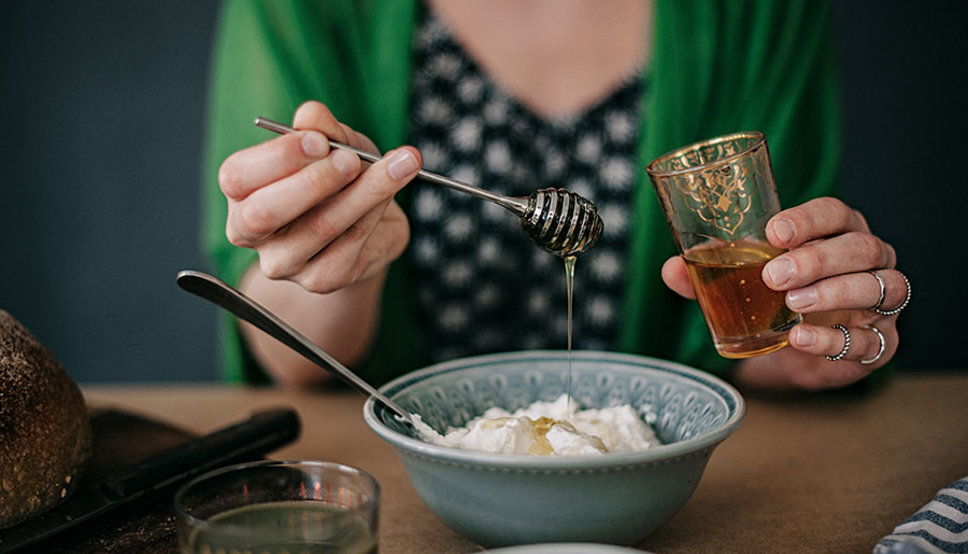
There is no conclusive evidence that consuming local honey helps with allergies, though this remains a common misconception. The ideas it that local honey is harvested from local bees feeding on local flowers—so the theory goes that if you eat local honey, you can essential inoculate yourself by ingesting a little bit of local pollen each time. While honey does have some medicinal properties, including helping to soothe a sore throat that can be related to allergy symptoms, it does not help to prevent those allergies in the first place.
The best allergy medications
Nasal saline sprays help flush out allergens and have been shown to help reduce nasal symptoms (congestion or runny nose). Nasal steroids, such as Flonase and Nasacort, are effective, available over the counter, and safe for most patients, although you should always review the warning labels. For patients with cataracts or glaucoma, Astepro (azelastine) is a safer alternative in a nasal antihistamine. The most effective antihistamines available over-the-counter are Claritin, Zyrtec and Allegra. These can all last up to 24 hours, and are considered non-drowsy. Benadryl, a commonly used allergy medication, is no longer preferred due to its sedating properties and potential side effects. Remember that store-brand generics are perfectly fine to use instead of the name-brand medications and are more affordable.
Managing your allergies will help you better enjoy the beautiful spring season For more tips on living well, visit the Be Well blog.




Find a Doctor