
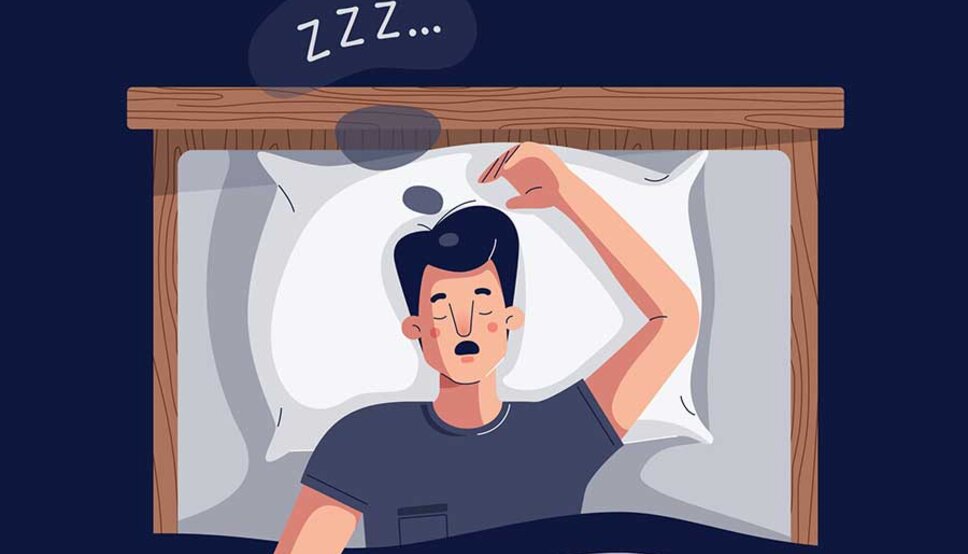
Sleep apnea is a common condition that occurs when the natural rhythm of breathing is interrupted during sleep, which can lead to the body not getting enough oxygen during these episodes. Learn more about sleep apnea and the range of treatment options available today.
What are the types of sleep apnea?
There are two major types of sleep apnea: obstructive sleep apnea (OSA) and central sleep apnea.
Obstructive sleep apnea (OSA)
This type of sleep apnea occurs when the upper airway becomes obstructed, or blocked, during sleep. This can happen for a variety of reasons. The most important risk factor is obesity, particularly increased fat deposits in the tongue, pharyngeal walls, and neck, which reduces the size of the upper airway and increases collapsibility. Other key anatomical contributors include craniofacial abnormalities (such as retrognathia, micrognathia, and maxillary insufficiency), enlarged tonsils or adenoids, and a long soft palate.
There are some non-physical reasons why people might have sleep apnea; it's not just about the size or shape of your airway. For example, men tend to be more likely to experience sleep apnea, and the risk goes up as we get older. Women are more at risk after menopause. Certain medical conditions, like low thyroid or a condition that causes the body to grow too much (called acromegaly), can also raise the risk.
Beyond that, sometimes the muscles that help keep the throat open during sleep don't work as well. Some people also have a more sensitive breathing control system — their body reacts strongly to small changes in oxygen or carbon dioxide levels, which can cause unstable breathing. Others wake up too easily during sleep, which can make it harder for the body to stay in deep, restful sleep. And in some people, fluid from the lower part of the body can move up into the neck when they lie down, which can narrow the airway and make breathing harder.
The American Heart Association and the United States Preventive Services Task Force both highlight obesity, craniofacial structure, and upper airway soft tissue abnormalities as central causes of OSA.
Central sleep apnea
This type of sleep apnea occurs when the brain doesn't send the correct signals to the body to continue breathing. It is often associated with conditions like heart failure, stroke, or chronic opioid use.
Symptoms of sleep apnea
Both OSA and central sleep apnea share symptoms, which can make it tricky to determine exactly which type of sleep apnea a person may have. Symptoms include:
- loud snoring
- waking up repeatedly throughout the night
- periods where a person stops breathing (typically reported by another person who observes this)
- excessive sleepiness during the day
- dry mouth
- headache
- insomnia
- difficulty concentrating or memory issues
Diagnosing sleep apnea
A sleep study is required to diagnose sleep apnea. If you suspect you have sleep apnea, speak with your primary care provider about your symptoms. A sleep journal can be helpful for your meeting with your provider. Keep a notebook near your bed and make notes about your quality of sleep, a sense of how many times you woke up in the night, and any other symptoms you experience.
If your doctor refers you for a sleep study, you can do one at home or in a sleep center.
At-home sleep tests
These are simplified versions of the tests run in sleep clinics. Basic devices are provided to measure your heart rate, blood oxygen levels, airflow, and effort in your trunk related to breathing. They are generally best suited for evaluating moderate to severe obstructive sleep apnea, as it can miss milder cases.
Sleep center test (nocturnal polysomnography)
These are more advanced tests that require connecting the patient to equipment that monitors brain, heart and lung activity, breathing pattern, limb movements, and blood oxygen levels while you sleep.
Is sleep apnea dangerous?
In most cases, sleep apnea on its own is not considered dangerous. However, untreated sleep apnea is associated with an increased risk of several serious health conditions, including high blood pressure, heart disease, stroke, type 2 diabetes, and depression. The problem with even mild sleep apnea is that the fatigue experienced after a difficult night of sleep and/or reduced oxygen can lead to dangerous conditions the next day, including drowsiness while driving or operating machinery.
Treatment options for sleep apnea
Treatment offered to a person with sleep apnea depends on the presenting symptoms and severity of sleep apnea.
Mild cases of sleep apnea can be managed with minor changes including sleep position or medications to treat severe allergies that can lead to nasal obstruction. Lifestyle changes, such as losing weight or quitting smoking, may also help reduce episodes of mild sleep apnea.
More moderate to severe cases of sleep apnea may require special equipment. Most people are familiar with continuous positive airway pressure (CPAP) equipment, which features a small mask that goes over the nose or mouth and nose to deliver air pressure that helps to keep your airways open while you sleep. Another option is the bilevel positive airway pressure, or BPAP, a machine that works in a similar way but provides two levels of pressure depending on whether you are inhaling or exhaling.
Oral appliances, such as a mandibular advancement device, may not be as effective as airway pressure machines but may be better tolerated in patients who find CPAP or BPAP uncomfortable.
Surgery may also be an option for people who have specific anatomical considerations. The American Academy of Sleep Medicine recommends that surgical interventions be tailored to the patient’s specific sites of airway obstruction, and that multilevel approaches may be necessary in many adults with OSA. The most common surgery is called uvulopalatopharyngoplasty (UPPP), which removes extra tissue in the back of the throat to help open the airway. This procedure works best in people who are not overweight. Another surgery, called maxillomandibular advancement (MMA), moves the upper and lower jaw forward to create more space for breathing. Both are extensive surgical procedures and often involve a longer recovery period.
Another treatment option is an implantable device, which is now available at the Center for Advanced Lung Care. These devices are surgically implanted during an outpatient procedure, and controlled through a remote when it is time to sleep. The advantage to using an implantable device is that it doesn't require frequent cleaning and maintenance, like airway pressure equipment does, and is much more travel friendly. Implantable devices for sleep apnea are not suitable for patients with central sleep apnea or patients who are significantly obese.
If you have been diagnosed with moderate to severe obstructive sleep apnea and wish to learn more about your options for treating the condition, ask your primary care provider about a referral to the Center for Advanced Lung Care, or call 401-606-8250.



Find a Doctor