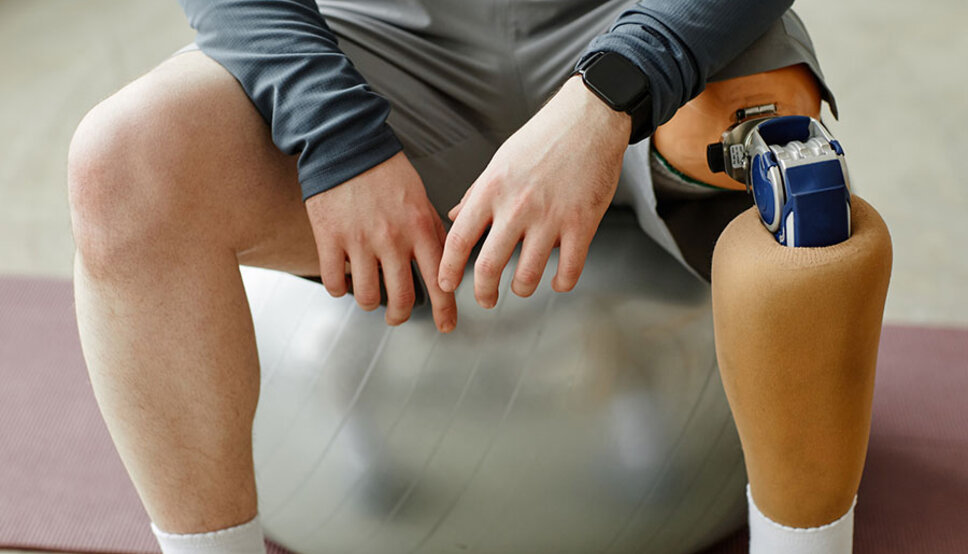
Outpatient physical therapy plays a crucial role for individuals learning to live with a prosthetic lower limb after amputation. Beyond simply learning to walk again, professional gait training helps patients achieve balance, strength, and functionality while preventing future issues in both the residual and sound limbs. Let's explore the many benefits that outpatient physical therapy offers for those embarking on this journey.
Professional gait training for safe and efficient movement
One of the main focuses of outpatient physical therapy for individuals with a new lower limb prosthetic is gait training—helping patients learn to walk and move with their new limb in a way that feels natural and safe. This specialized training is essential for developing confidence in mobility while preventing new movement patterns that may cause additional pain or damage. Often, individuals with prosthetics may unknowingly adopt an uneven or imbalanced walking pattern, which, over time, can lead to discomfort, pain, or even injury in other parts of the body.
With a trained physical therapist's guidance, patients learn proper alignment, weight distribution, and optimal step mechanics. This means fewer falls, reduced muscle strain, and improved energy efficiency, which helps patients walk longer distances with less fatigue.
Preventing joint dysfunction and pain
When a person loses a limb, the remaining joints, muscles, and the opposite limb face added demands. Without intervention, these areas can experience overuse, leading to pain, instability, and dysfunction. Outpatient physical therapy aims to address these risks early on by strengthening key muscle groups and improving joint alignment to handle increased physical demands.
Through customized exercise prescription and gait assessment, physical therapists help to prevent secondary problems, such as pain in the remaining limb, low back pain, and hip or knee issues. This preventive approach protects long-term joint health and ensures that patients can continue moving comfortably, well into the future.
Maximizing functional outcomes for an active lifestyle
Outpatient physical therapy does more than simply teach people to use a prosthetic; it empowers them to reclaim their independence and return to the activities they love. Whether it's walking in the community, navigating stairs, or participating in recreational activities, physical therapists create goal-oriented programs tailored to each patient’s lifestyle.
Maximizing functional outcomes means helping individuals get to a place where they’re not only mobile but also adaptable, and capable of navigating various environments. When patients achieve greater functional independence, they experience an enhanced quality of life and reduced reliance on assistive devices or caregivers.
Supporting overall health: mobility as a key to wellness
Prolonged wheelchair use can lead to health issues beyond physical limitations, including cardiovascular problems, weight gain, and reduced bone density. Being upright and active promotes better circulation, respiratory health, and joint health, among other benefits.
By training individuals to use their prosthetic limb confidently, outpatient physical therapy plays an instrumental role in promoting overall health. Remaining active helps individuals maintain a healthy weight, improves mood, and reduces the risk of depression and isolation, which can be common following limb loss.
Increased confidence and independence
A prosthetic limb can feel foreign at first, and learning to integrate it into everyday life can be challenging. Outpatient physical therapists provide not only physical training but also emotional support, helping individuals build the confidence they need to move beyond the confines of their home. During therapy sessions, patients build self-assurance and gradually transition to more complex activities that increase their autonomy.
The benefits of outpatient physical therapy after limb loss are profound. From improving gait and preventing joint pain to enhancing functionality and overall health, physical therapy is instrumental in helping patients achieve their maximum potential. For anyone adjusting to life with a prosthetic, committing to outpatient physical therapy can make all the difference in achieving a successful, healthy, and active lifestyle. The team at Brown University Health Outpatient Rehabilitation can help. Learn more on our website or call 401-444-5418 to schedule an appointment.


Find a Doctor