
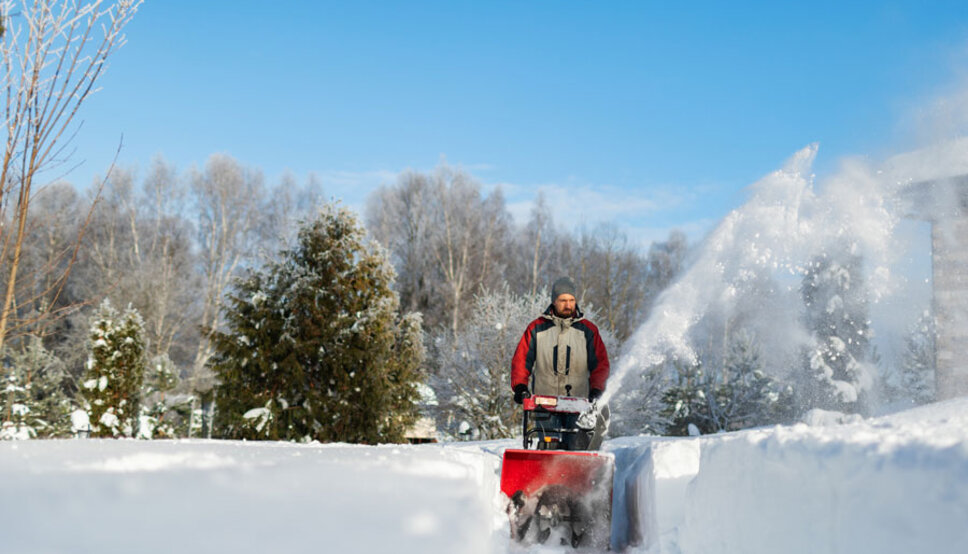
Snowblowers are useful machines, especially during the harsh winter months when snow piles up quickly, covering driveways, sidewalks, and paths. However, while these machines make snow removal much easier, they can also pose serious dangers if not handled with care. Follow these simple safety rules when operating your snowblower.
Never put your hand near the snowblower's chute or auger
The auger is the part of the snowblower that collects and propels the snow through the discharge chute. It's made up of rotating blades that spin rapidly and are designed to break up and throw snow. These blades are extremely sharp and are capable of causing serious injury in an instant. When the machine is operating, the auger can quickly grab and pull in objects, including clothing, gloves, or even a hand if it gets too close. The rapid movement of the blades can draw in your hand before you have a chance to react, leading to severe injuries like lacerations or even amputations.
Always turn off the snowblower before clearing blockages
Snowblowers are designed to throw snow efficiently, but sometimes the snow can be too wet, heavy, or packed together, causing blockages. If you try to clear a blockage while the machine is still running, it can lead to dangerous accidents. Even though the snowblower may seem to be stuck, it's still operating with force and power, and your hand could be drawn into the auger if you try to dislodge the snow manually.
Always turn off the snowblower and disconnect the power before attempting to clear any blockages. This ensures that there is no risk of the auger unexpectedly starting up while your hand is near it. Even when turned off, the auger still has the potential to recoil. Always use a long stick to clear any blockages and do not put your hands or fingers near the blockage.

Chest Pain in Cold Weather vs. Winter Heart Attack
Cold weather can make going outside feel challenging—from leaving a warm home to navigating icy paths. For those who feel chest pain in the cold, it can be especially concerning. While heart attacks can happen any time, certain types become more common during the winter months.
Keep up with snowblower maintenance
One way to reduce the risk of injury while using a snowblower is through proper maintenance. Before using the machine, ensure that the auger and other components are free from debris, and that the machine is in good working condition. Snowblowers that are poorly maintained or damaged may have more frequent blockages or malfunction, which increases the likelihood of trying to clear them while running—putting your hand(s) at unnecessary risk.
Always use the safety features
Modern snowblowers are designed with safety in mind. Many come with safety features like hand guards, emergency stop buttons, and interlock systems that prevent the machine from operating when certain parts are exposed, or if the user is too close to the auger. Make sure to familiarize yourself with these features before use, and always use them properly. Wearing proper gloves, boots, and clothing that fits snugly around your body and wrists can also minimize the chances of a sleeve or other loose item getting caught.
While snowblowers are fantastic tools for clearing snow, they should always be treated with respect. Keeping your hands and body parts away from the auger, chute, and moving parts is one of the easiest and most effective ways to stay safe.
If an injury does occur, call 911 or get to an emergency room immediately. At Brown University Health emergency departments, we have hand surgeons on call around the clock to take care of any hand-related trauma. Our excellent team of certified hand therapists can help you rehabilitate after an injury.




Find a Doctor