
For many people, feeling stressed and having food cravings are strongly linked. Others may experience the opposite--a lack of hunger cues when feeling stressed. We know that there are strong connections between the mind and the body, and how our nervous system in some ways is intertwined with our digestive system.
Stress can lead us to mindlessly eating whatever is available or easy to obtain, which can lead to weight gain and poor overall health. But some foods can actually help reduce stress. The next time you're feeling stressed, reach for a food known for its stress-reducing benefits. It will help your overall health.
Foods that reduce stress
When our mind registers something as stressful, our bodies release cortisol, known as the "stress hormone", to help power us through the stressful moment. But when our minds feel stressed more often than not and release a more constant stream of cortisol, it can have a negative impact on our health. These foods help to lower cortisol levels in the body, which can help reduce feeling stressed.
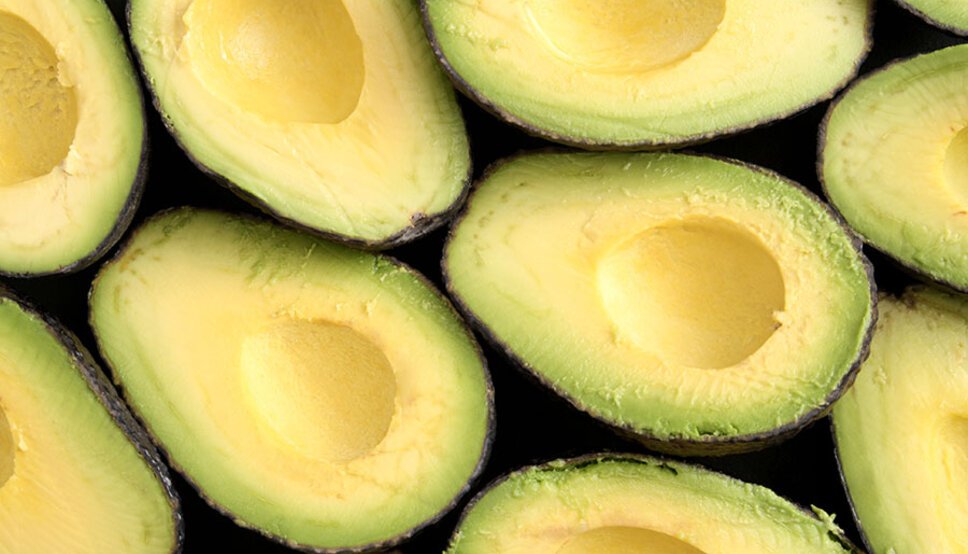
Avocados
Magnesium and fiber are two nutrients that can help with reducing cortisol levels, and avocados contain both! Plus, avocados are rich in heart-healthy monounsaturated fats.
Beans and lentils
As with avocados, beans and lentils have a high amount of fiber, which has been shown to lower anxiety and distress. Chickpeas are a great source of fiber as well as magnesium and L-tryptophan, which the body uses to create serotonin.
Fatty fish or other foods rich in omega-3 fatty acids
Omega-3 fatty acid is useful for fighting inflammation and can help protect the body against surges of cortisol. They may also help with preventing heart disease. Fatty fish, such as salmon, tuna, sardines, and mackerel, are the best source of omega-3 fatty acids, but you can also find them in avocados, chia and flax seeds, olive oil, and walnuts.
Fermented foods
Fermented foods, such as sauerkraut, kimchi, or kombucha, are incredibly good for your gut health, and have been shown to help reduce depression and anxiety.
Fruits
Eating fruits is always a good choice, and a good option for helping to reduce feelings of stress. Fruits high in vitamin C, including citrus fruit and strawberries, are an especially good choice. A vitamin C deficiency has been linked to a higher risk of stress-related disease, and taking vitamin C supplements was shown to have therapeutic effects.
Spinach, kale, broccoli
Like beans, leafy green vegetables are high in fiber and can help lower anxiety. One study found that a higher rate of fiber intake correlated with reduced odds of depression in women.
Nuts
Nuts contain a variety of vitamins as well as proteins and heart-healthy fats. One mineral that nuts contain is selenium—a mineral that has been shown to help lower postpartum depression.
Foods to avoid when feeling stressed
Just as there are some foods that can help us feel better when we're stressed, there are some foods that can make the feelings of stress and anxiety worse.
Caffeine
As a stimulant, caffeine can increase feeling jittery and on-edge, fueling any stress-related thoughts. Caffeine can also interrupt our sleep patterns, leading to inconsistent sleep or not enough sleep.
Alcohol
For some people, alcohol may seem like a relaxant and way to help ease feelings of stress or anxiety. But alcohol can also lead to poor sleep quality, and it lowers serotonin, a hormone that affects our mood.
Sugar and artificial sweeteners
Sugar and artificial sweeteners have been linked to an increased risk of depression. Try to avoid foods that are high in sugar without other nutrients. For example, eating an orange can help lower anxiety and give your mind and body something to focus on--mentally noting the feel of the orange in your hand, the sensation of peeling it, how each segment smells and tastes--which can help slow down your racing thoughts. On the other hand, drinking orange juice, which is higher in sugar and lower in vitamins and minerals, is a less tactile and mindful experience.
Make sure you're eating foods that benefit your body and mind
You can't always control your cravings, and looking for ways to distract your brain from anxious thoughts is natural--it's why many people turn to food in times of stress. But you can make an effort to turn that habit into something that benefits both your mind and your body.
All of the foods that can help reduce stress are foods that are found in diets such as the Mediterranean diet or plant-based diets (with added fish). These diets emphasize whole grains, fruits and vegetables, and heart-healthy fish and nuts that will not only help you feel better in your body but also provide mental health benefits.
Get help managing your anxiety and stress
Feeling stressed and anxious at times is normal. However, if you're feeling stressed or anxious most of the time, it may be time to talk with a trusted friend or loved one or a professional counselor. Extended amounts of stress can lead to poor health, which can in turn make you feel even more stressed. A licensed therapist can help, or for more intensive times of stress, a partial hospitalization program may be right for you.
For more help on living well, visit the Be Well blog.



Find a Doctor