

It’s common to have trouble falling asleep, or staying asleep, every now and then. The stressors of the day may be weighing on your mind, or the temperature of your pillow may not be exactly right, or maybe you’re traveling and trying to sleep in a different place.
When you consistently have trouble falling asleep or staying asleep, you may have insomnia.
What is insomnia?
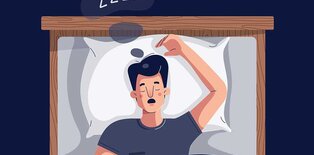
Insomnia is a very common sleep disorder in which a person either cannot fall asleep within a reasonable expected timeframe, or cannot stay asleep consistently, resulting in the feeling of sleep deprivation or excessive daytime sleepiness. Insomnia can potentially affect a person’s concentration, productivity, and mental acuity.
Given the lack of universal “normal” sleep time, insomnia is not defined as sleeping less than a certain number of hours or REM sleep cycles. It is somewhat subjective and relates to the person’s symptoms and its effects on daytime function.
Insomnia may be a life-long condition that a person has to manage, or it may involve occasional bouts of sleeplessness, such as during a highly stressful time.
What are the symptoms of insomnia?
Obvious symptoms of insomnia include difficulty falling or staying asleep, feeling tired or sleepy during the day, decreased concentration, increased irritability, anxiety and depression. Less obvious symptoms may include memory problems, increased errors at work or school, reduced attention and focus, and decreased productivity.
What can cause insomnia?
There are many contributors to insomnia, including but not limited to:
- Environmental factors, such as sleep bedding, temperature, and having pets.
- Medical factors such as neurodegenerative disorders (Parkinson’s and Alzheimer's disease), chronic pain, kidney, heart and lung disease, sleep disorders such as obstructive sleep apnea (OSA), and circadian rhythm disorders.
- Hormonal factors such as hyperthyroidism and menopause, among others.
- Psychological factors such as depression, anxiety, and stress.
- Lifestyle or behavioral factors such as irregular bedtimes, napping, alcohol use, and increased screen times (especially at bedtime).
- Biologic factors such as “hyperarousal state” where the body cannot regulate the sleep/wake cycle properly.
Is insomnia genetic?
Yes, to an extent. However, the genetic component seems to be in combination with other environmental and behavioral factors. There are genes known to affect the circadian rhythm, such as PER2, CRY1, and CLOCK, as well as genes that affect neurotransmitters (dopamine, serotonin, and GABA). A notable study of twins published in the journal Sleep in 2015 called “A Longitudinal Twin Study of Insomnia Symptoms in Adults” noted a genetic propensity for insomnia in twins.
Another report published in the online journal Nature Genetics more recently highlighted about 57 gene regions associated with symptoms of insomnia. Finally, “Fatal Familial Insomnia” is a rare but known progressive neurodegenerative disorder that is heritable and is caused by a genetic mutation in a specific gene.
What are the risks associated with insomnia?
Insomnia can pose an increased risk for cardiovascular disease (stroke, high blood pressure), obesity, prediabetes, anxiety, depression, cognitive decline, and even weakening of the immune function.
How is insomnia treated?
For the occasional period of insomnia, there are many ways to try to get some sleep. Consider your sleep environment—is it a comfortable temperature, or do you need a firmer or softer mattress? Establishing a sleep routine and regular wakeup time can get the body to recognize the “time to sleep” pattern. Try reducing caffeine intake and screen time before bedtime, reducing alcohol use, and warm showering at bedtime.
Some people have success with melatonin or magnesium glycinate supplements as a short-term solution to getting into a regular bedtime routine. Over-the-counter sleep aids are also available and may help in the short term, but they are generally not recommended for long term use, as a person can build up a tolerance for them.
For persistent insomnia, an evaluation and management for medical and sleep disorders may be needed. Cognitive behavioral therapy for insomnia (CBT-I) can be beneficial, especially when a patient works with a psychotherapist, but self-guided CBT-I apps can also be effective.
Medication prescriptions usually depend on the causes and type of insomnia. There are many available meds for insomnia, many of which are habit forming, so they should be used with caution and under careful monitoring by the managing provider.
When to talk to your primary care provider about trouble sleeping
If you’re experiencing persistent insomnia that is interfering with your daily life, affecting your school or work productivity, and not responding to the home remedies and lifestyle adjustments, ask your primary care provider for a referral to a sleep medicine specialist.
At the Center for Sleep Medicine at Morton Hospital, we work with patients experiencing sleep disorders to tailor a treatment plan that meets their needs. If a lack of sleep is interfering with your life, ask your primary care provider for a referral to our center.



Find a Doctor