

The primary care landscape continues to evolve, and team-based care has never been more essential. Team-based care improves access, enhances continuity, and brings together a team of professionals working collaboratively to meet your needs.
This may be a change from what you’re used to—many of us have had only a primary care physician, who we always saw at the same practice. We hope to help ease your mind as we explain the benefits of coordinated care and how each member of the team works together to deliver supportive care at every step of your health journey.
What is team-based primary care and why is it important?
Team-based primary care is a model designed to provide you with the care you need, when you need it, from the appropriate member of your care team. Instead of relying only on one primary care provider, you benefit from a group of healthcare professionals — physicians, advanced practice providers (APPs), and many others — working together to support your health and well-being.
No matter who you speak with, you can expect your care to be coordinated, consistent, and tailored to your needs. Each team member follows shared evidence-based guidelines to ensure safe, effective, and up-to-date care across the board.
This model also makes it easier to maintain continuity of care, even if your primary care provider retires or leaves the practice. Because these integrated teams work across locations, they can more easily transition your care to another qualified provider within that healthcare system — helping to minimize disruptions and avoid gaps in care. “Team-based care has long been an effective way to sustain patient care, and now — more than ever — it’s our strongest defense against the ongoing shortage of primary care providers,” adds Dr. Edward McGookin, chief of primary care with Brown Health Medical Group Primary Care.
What are the benefits of team-based care?
Studies consistently show that team-based primary care leads to better experiences for patients — including improving management of chronic conditions, increasing preventive care, and reducing hospital visits. Team-based care also:
- Elevates the Quality of Care: Collaborative teams bring diverse expertise to each patient encounter, promoting more comprehensive, accurate, and proactive care.
- Expands Access to Care: By applying the skills and qualifications of all team members, we can accommodate more patients and offer timely support for both urgent and routine needs.
- Enhances Patient Outcomes: A coordinated, personalized approach fosters trust, encourages engagement in care, and leads to better long-term results.
- Strengthens Communication and Follow-Up: With multiple team members involved, there are more touchpoints for follow-up, clearer coordination, and stronger safeguards against important information being missed.
- Supports Patients Through Provider Changes: Ensures continuity of care by smoothly transitioning patients to another qualified primary care provider if their current one leaves or retires.
As Dr. Nicole Somvanshi from Brown Health Medical Group Primary Care, East Greenwich, shares, “Caring for patients is a team effort. I rely on the friendly and knowledgeable front desk staff, the nurses working behind the scenes to care for patient needs outside of the office, and my experienced and committed medical assistant, who treats every patient like they are part of his extended family. We have created a culture of making people feel at home when they come to the office, and I truly believe this goes a long way in providing a great patient experience.”
Becoming a New Patient at Brown Health Medical Group Primary Care
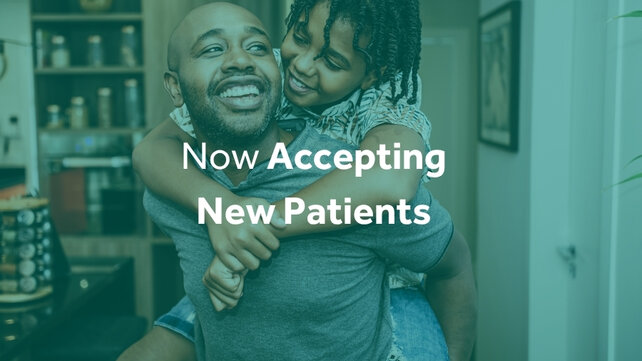
We’re pleased to welcome new patients to our adult and pediatric primary care practices. Currently, new patient appointments are available at select locations. Our team is committed to helping you find the best possible option based on current availability.
Who is on your care team?
In a team-based primary care model, your primary care provider (PCP) may be a Medical Doctor (MD), Doctor of Osteopathy (DO), Nurse Practitioner (NP), or a Physician Assistant (PA). Patient care is also supported by a group of professionals who each play a key role in ensuring you receive coordinated, high-quality and timely service. For example, Brown Health Medical Group Primary Care’s team-based model includes:
- Physicians, Nurse Practitioners and Physician Assistants – Oversee patient care and develop treatment plans. They can serve as your primary care provider for routine visits, and/or deliver sick care services when your primary care provider isn’t available. NPs and PAs may also be referred to as advanced practice providers (APPs).
- Medical Assistants (MAs) – Support clinical and administrative tasks, such as rooming patients, taking vitals, and managing records.
- Medical Secretaries – Handle front-desk practice operations, including check-ins, scheduling testing and imaging, and communication between patients and the care team.
- Pharmacists – Review medications for safety, effectiveness, potential interactions, and affordability, while providing guidance on proper use and managing medication therapy for chronic conditions.
- Pharmacy Liaisons – Provide medication access support, including timely medication refills, and medication prior authorization submission.
- Nurse Care Managers (NCMs) and Practice Nurses – Help manage chronic conditions, coordinate care between visits, and ensure treatment plans are followed.
- Behavioral Health Clinicians – Support patients with mental health, emotional, or behavioral challenges.
- Practice Managers – Ensure the office runs smoothly by overseeing operations, staffing, and patient experience initiatives.
- Care Navigators – Guide patients through the healthcare system, assisting with referrals, appointments, insurance questions, and access to community resources.
- Access Center Representatives – Take incoming patient calls, schedule appointments, help answer general questions, and connect patients to the appropriate team member.
- Centralized Clinical and Administrative Teams – Handle behind-the-scenes tasks in coordination with all primary care practice teams, including medical record requests, referrals, patient outreach, and more.
Who are Advanced Practice Providers and why are they important?
Nurse practitioners or physician assistants, as well as a few other specialty-trained clinicians, are collectively known as “advanced practice providers”. APPs are part of the care team working alongside physicians to provide both routine and sick care to all patients — many also serve as primary care providers, carrying their own patient panel.
For patients in a team-based primary care model, it’s important to understand the role of advanced practice providers. These skilled clinicians are essential in expanding access and delivering timely, well-coordinated routine and urgent care. Knowing how APPs contribute to care helps build trust, increases awareness of available resources, and leads to more positive experiences and outcomes.
As demand for healthcare grows and the number of primary care physicians is limited both nationally and locally, APPs are essential to providing high-quality and timely care to patients.
What are the qualifications for Advanced Practice Providers?
As fully licensed clinicians, advanced practice providers offer the same patient care, services, and support as physicians in a primary care setting. APPs complete years of extensive education and hands-on clinical training to practice independently. “Within our organization, they further strengthen their skills through a physician-led Clinician Mentorship Program designed to provide thorough onboarding and guidance.” says Dr. McGookin.
When could I be cared for by an advanced practice provider?
In a team-based primary care model, patients may be seen by an APP for the following reasons:
- Preventive or Routine Care: such as conducting annual physicals or health screenings.
- Chronic Conditions: such as treating diabetes, heart disease and asthma.
- Illnesses or Injuries: such as providing same-day care for sore throats, rashes, and joint pain.
- Behavioral Health and Lifestyle Support: such as improving mental health, quitting smoking, managing weight, or making nutritional changes.
Building better patient care through teamwork
Team-based care is essential—this model expands your access to healthcare, strengthens the continuity of care, and provides personalized support for your concerns, ultimately leading to better health outcomes for all of our patients. By bringing together a well-coordinated group of healthcare professionals, your care team helps ensure that every patient receives timely, high-quality care.



Everything You Need to Know about Your Daily Fiber Intake

What are They and What are Their Risks?
Find a Doctor