Contact the Center for Medical and Surgical Weight Loss
2007 Bay Street, Suite 100
Taunton, MA 02780
Get directions
Phone: 508-301-2434

The nationally accredited Center for Medical and Surgical Weight Loss at Morton Hospital offers both medical and surgical options to help patients become healthier and achieve weight loss goals.
2007 Bay Street, Suite 100
Taunton, MA 02780
Get directions
Phone: 508-301-2434
Morton’s multidisciplinary weight loss team includes experienced medical and surgical weight loss specialists, nurses, dietitians, and other specialists dedicated to helping you achieve your goals. All team members work closely with each other and the patients, providing education on weight loss methods and helping each individual decide which options are best for him or her.
As an ACS Surgical Quality Partner, we're committed to the highest standards of surgical care. This designation reflects our proven record of adhering to the most rigorous standards in surgical quality - to minimize complications, improve outcomes, and save lives.
Our participation in the ACS Quality Programs helps ensure that we continue providing our patients with the best care possible. When you see the ACS Surgical Quality Partner mark in our hospital, you can trust that we're dedicated to quality and relentless self-improvement.
Morton Hospital's Bariatric Surgery Program in Taunton, Massachusetts is accredited as a low-acuity center by the Metabolic and Bariatric Surgery Accreditation and Quality Improvement Program (MBSAQIP) certified by the American College of Surgeons and American Society of Metabolic and Bariatric Surgery. The MBSAQIP accreditation sets national standards for bariatric surgery centers with a goal of advancing safe and high-quality care for bariatric surgery patients.
In 2021, 2022 and 2023, we were named "Best Weight Loss Center" in the Community Choice Awards for the Metro South region.
Our bariatric surgeons specialize in gastric sleeve surgery, gastric bypass surgery, and revisional bariatric surgery. Surgeries are conveniently performed right at Morton Hospital. These procedures, combined with lifestyle changes, may help patients achieve better health and an improved quality of life, often reducing health risks associated with conditions like diabetes, high blood pressure, and degenerative joint disease.
Morton Hospital is proud to be the only program in our area to offer minimally invasive endobariatric (non-surgical weight loss) procedures designed to help patients achieve meaningful, lasting weight loss – without incisions or hospitals stays.
Endobariatrics involves reshaping the stomach from the inside using advanced endoscopic techniques. This procedure helps to reduce the stomach volume and support portion control to promote weight loss in patients with obesity and related metabolic disorders. Procedures performed at Morton Hospital include:
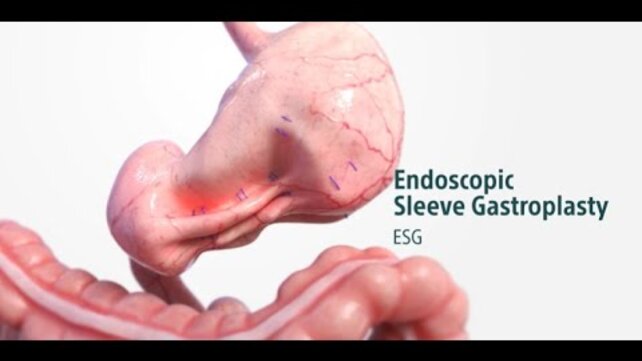
A minimally invasive procedure that reduces the size of the stomach using internal sutures placed endoscopically through the mouth - without incisions or surgery.
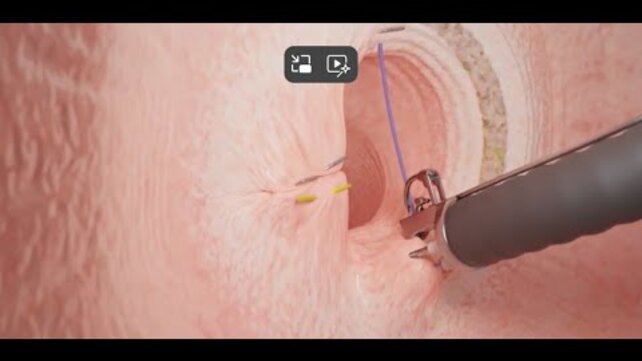
A minimally invasive revision procedure for patients who've had gastric bypass surgery and are regaining weight due to a stretched outlet or pouch.
Endobariatric procedures deliver effective, non‑surgical weight loss with fewer risks and faster recovery times than traditional metabolic and bariatric surgery. These minimally invasive procedures – performed endoscopically through the mouth – require no external incisions, allowing patients to return home the same day, and significantly reducing recovery time compared with gastric bypass surgery or gastric sleeve surgery.
The procedures are usually reversible. Patients typically lose 10 to 20 percent of their total body weight and see improvements in conditions such as diabetes and high blood pressure, all while under the guidance of Morton Hospital’s experienced weight loss specialists.
Endobariatric procedures offer effective non‑surgical weight loss, but they still carry risks that require careful medical supervision and realistic expectations. Common short‑term side effects may include nausea, vomiting, abdominal pain, dehydration, and stomach ulcers. Less common but more serious risks include bleeding, infection, and gastric perforation. In some cases, patients who continue to struggle with weight loss may require a revision procedure.
Long‑term issues can include nutritional deficiencies, gastroesophageal reflux disease (GERD), ulcer formation, or changes related to the positioning or deflation of a gastric balloon. These risks differ from those associated with gastric bypass surgery or gastric sleeve surgery, but they still warrant close follow‑up with Morton Hospital’s experienced specialists.
Patients can reduce potential risks by choosing skilled weight loss specialists, such as those at the Center for Medical and Surgical Weight Loss at Morton Hospital. Risk reduction strategies include:
At the Center for Medical and Surgical Weight Loss at Morton Hospital, our weight loss specialists help patients and referring clinicians determine whether endobariatric care offers the right balance of safety and effectiveness.
You may be a good candidate if you:
Patients who do not meet criteria for metabolic and bariatric surgery, or who wish to delay or avoid traditional weight loss surgery, often benefit from endobariatric options. Individuals with prior bariatric procedures and weight regain may also qualify for endoscopic revision therapies, such as transoral outlet reduction (TORe), as part of an evaluation for gastric bypass revision or broader revisional bariatric surgery.
Endobariatric procedures may not be appropriate for people who smoke, have active eating disorders, or have certain stomach disorders or advanced liver, heart, or pulmonary disease. Patients with a history of extensive stomach surgery may also need a different type of treatment. Our team welcomes referrals from regional practices. Patients can expect personalized, evidence-based guidance to determine the safest and most effective next step.
Typical weight loss outcomes vary by treatment and individual goals. Patients who choose minimally invasive endoscopic options, such as endoscopic sleeve gastroplasty (ESG), often lose 15 to 20 percent of total body weight within one year, with 10 to 15 percent achieved in the first six months. Many patients maintain 15 to 16 percent total body weight loss up to five years, with modest regain possible. Patients also commonly see improvement in obesity-related conditions, such as high blood pressure and fatty liver disease.
Recovery timelines remain a key advantage for endobariatric procedures. Many patients go home the same day or within 24 hours and return to normal activities within one to three days, with work resuming in a few days to one week. A staged diet of clear liquids, full liquids, then soft foods supports healing during the first month. Most patients return to a typical diet by about two months.
Long-term success requires lifestyle change. Morton Hospital obesity medicine physicians, dietitians, and therapists support patients using nutrition counseling, physical activity planning, weight loss medications (including GLP‑1 therapies such as semaglutide when appropriate), and weight loss support groups, including free bimonthly information sessions and ongoing support at the hospital.
The Center for Medical and Surgical Weight Loss at Morton Hospital offers comprehensive non-surgical weight loss options for adults across Massachusetts who want clinically guided, sustainable results. As part of a respected bariatric hospital and surgical weight control center, our program also serves as a trusted referral option for medical providers seeking evidence-based care for their patients.
Morton Hospital’s medical weight loss program is led by a board-certified obesity medicine physician and supported by experienced weight loss specialists. Patients receive personalized care that focuses on health improvement, not quick fixes.
Weight loss medications play a central role in our program. We prescribe FDA-approved prescription weight-loss medications, including GLP‑1 therapies such as semaglutide, when clinically appropriate. These medications help regulate appetite, improve metabolic health, and support steady weight loss under physician supervision. Our medical weight loss program is led by a board-certified obesity medicine physician and offers:
Patients commonly experience gradual, meaningful weight loss while also improving conditions such as diabetes, heart disease, and high blood pressure. Our team adjusts treatment plans over time to support long-term success and, when needed, to coordinate transition to endoscopic or surgical options such as endoscopic sleeve gastroplasty, gastric sleeve surgery, or metabolic and bariatric surgery.
For adults searching for weight loss programs in Massachusetts or a trusted weight loss clinic in Taunton, MA, Morton Hospital provides medically supervised care close to home—without surgery.
Learn more about medical weight loss or contact our center at 508-301-2434 to discuss which option may be the best fit for you or your patients.
We offer a free bi-monthly weight loss info session and support group to support you throughout your journey.