Understanding Opioid Addiction
Kirsten Langdon, PhD, of the Brown University Health Recovery Center, explains opioid addiction is a chronic medical condition and what to look for if you are concerned a loved one is addicted.

Substance use disorder is a disease, not a weakness. Having “willpower” is not enough to achieve recovery.
A person has developed tolerance when he or she needs to use more and more of a substance to achieve the same effect. When a person is dependent, it means that stopping or reducing use of a substance brings on the psychological and physical symptoms of withdrawal.
Symptoms of substance use disorder and common behaviors are numerous, and vary depending on the substance being used.
Signs of addiction differ from person to person, and substance to substance. Here are some behaviors and signs to look for: withdrawal from others, loss of interest, missed responsibilities, lying, risky behavior, mood swings, anxiety, depression, paranoia, poor self-care, fatigue, weight changes, red/glassy eyes, frequent illness, shakes, withdrawal symptoms, money or legal trouble, and denial of a problem.
Individuals with substance use disorder frequently present similar physical or behavioral signs of their substance use disorder. Physical signs may include bloodshot/glassy eyes, dilated pupils, weight changes, withdrawal symptoms (nausea, vomiting, mood shifts), and increased tolerance of substance. Behavioral signs may include strong cravings, compulsiveness, neglecting work/school/home, and giving up activities.
Yes, addiction symptoms vary depending on the substance used. The most common signs of any substance are feeling “high” or euphoric, mood changes, anxiety, paranoia, irritability, trouble concentrating or remembering, poor coordination, slowed reactions, red/glassy eyes, dilated or pinpoint pupils, weight, sleep, or appetite changes, neglecting responsibilities, risky behavior, nausea, vomiting, shakes, sweating.
Opioid addiction is life-threatening, and the risk of overdose is always present. If someone shows any of these symptoms, call 911 and get help immediately:
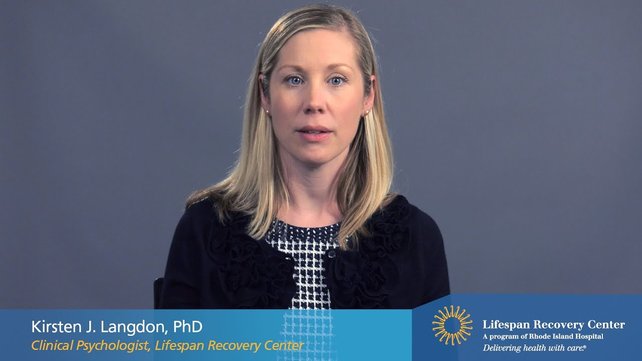
Kirsten Langdon, PhD, of the Brown University Health Recovery Center, explains opioid addiction is a chronic medical condition and what to look for if you are concerned a loved one is addicted.
Physicians prescribe opioids to relieve pain. When used correctly, they are usually safe. However, they induce feelings of happiness and self-confidence (euphoria), which can make them highly addictive. This makes opioids more likely to be used more often, longer, or at higher doses than prescribed. This leads to tolerance and to withdrawal symptoms when a person stops taking the drug. A patient may resort to obtaining the drug (either prescription opioids or other forms such as heroin) illegally.
Common signs and symptoms of opioid addiction include lethargy, slow or shallow breathing, nausea, poor coordination, constipation, and jitteriness. Mental and emotional states are affected and may result in depression, anxiety, irritability or euphoria, or mood swings.
If you or someone you know is misusing a substance, whether prescribed, illegal, or legal (such as alcohol and marijuana), the Brown University Health Recovery Center program can help. We will schedule an appointment within 24 to 48 hours after you contact us. For additional information, please call 401-606-8530.
For more information about substance use disorder and overdose prevention, visit the state of Rhode Island's Overdose Prevention Action Plan website, PreventOverdoseRI.org, which aims to help end the overdose crisis in Rhode Island.
Learn more about the Brown University Health Recovery Center