
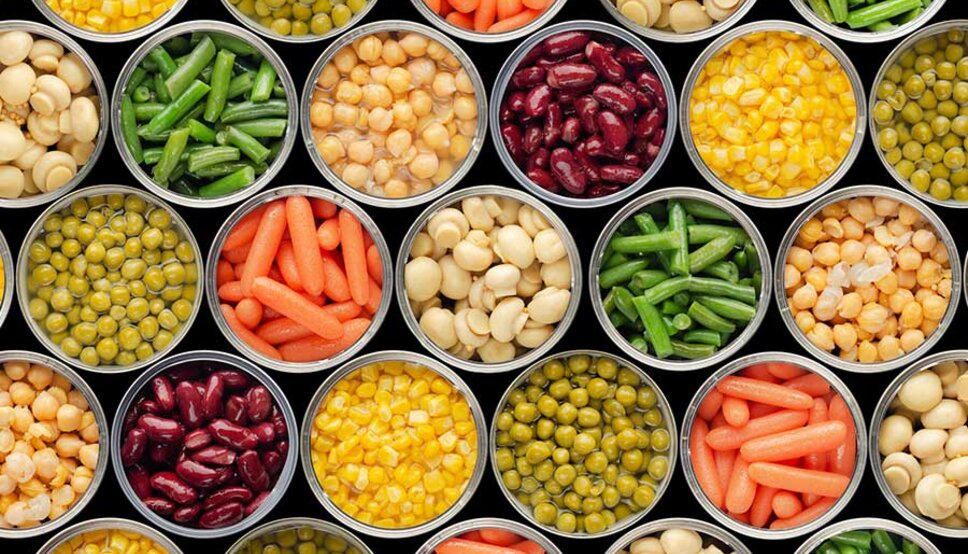
We all know that what we eat can play a part in managing and maintaining a healthy weight. One way to support a healthy diet is to add fiber. Fiber is digested differently than other nutrients, so it adds bulk, regulates blood sugar, and keeps your digestive system moving along smoothly. Here are four ways fiber can help with weight management.
1. Fiber helps you stay fuller longer
Fiber slows the digestion process, causing you to feel fuller or satiated for a longer time. This feeling of fullness can help to decrease snacking or grazing throughout the day.
2. Fiber helps keep you regular
Fiber supports regular bowel movements and prevents discomfort when eaten as recommended. A diet that is higher in fiber can also help prevent colorectal cancer.
3. Fiber helps to stabilize blood sugar
Fiber slows the absorption of carbohydrates to help avoid big changes in your blood sugar. This will help to avoid food cravings triggered by the rapid changes in blood sugar.
4. Fiber helps gut and heart health
There are two types of fiber, and both are important for long-term health.
Insoluble fibers
Insoluble fibers do not dissolve in water, promote a balanced gut microbiome, and help food pass quickly through the stomach and intestines. Insoluble fiber can be found in whole grains, some vegetables (cauliflower, green beans, and others), nuts, and legumes.
Soluble fiber
Soluble fibers do dissolve in water and turn to a gel-like substance in the stomach. This thicker material can clear out some cholesterol, helping to lower overall cholesterol levels. Soluble fiber can be found in oats, other vegetables (including peas and carrots), some fruits, barley, and avocado.

Easy Lentil Soup
This easy lentil soup is a great source of fiber with about 25 grams of fiber per serving.
How much fiber should I have each day?
It is generally recommended to have 25 to 30 grams of fiber per day. Talk to your healthcare team or a registered dietitian to discuss how much fiber is best for you.
An important reminder, though—if you have not been eating a diet high in fiber, work up to the daily recommendation gradually. Too much fiber too quickly can lead to gas or bloating, and in some cases, many trips to the bathroom.
To start increasing your fiber, first keep track of how much fiber you’re already eating in a day. This will let you know how much you may need to add per meal to work up to about 10 grams of fiber for breakfast, lunch, and dinner. Slowly increase your fiber intake over one to two weeks to avoid any digestion issues.
Tips for adding fiber into your day
- Add soft, high fiber foods such as beans, lentils, hummus, or cooked veggies
- Have high fiber fruits such as berries, pears, or peaches
- Choose high-fiber cereals or oatmeal
- Use chia or ground flaxseed in yogurt or protein shakes
- Drink lots of water to help fiber do its job.
Fiber can help support healthy weight management and improve digestion to keep you feeling your best. Small changes all add up to make a big difference in your health!




Find a Doctor