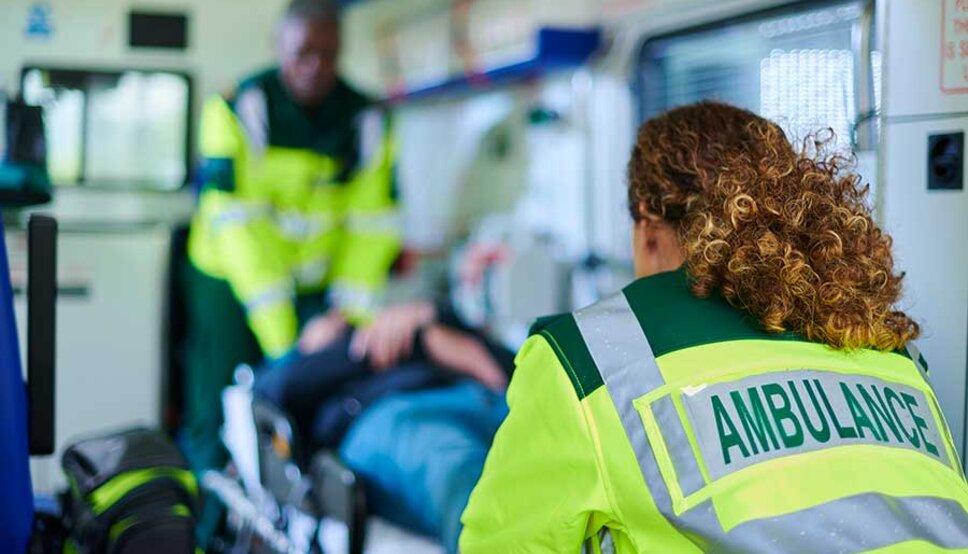
It starts like many 911 calls do; quietly.
A middle-aged patient calls for help after a day of feeling weak, feverish, and increasingly confused. When paramedics arrive, the situation isn’t dramatic, but it’s concerning. The patient’s heart rate is elevated. Blood pressure is lower than expected. They’re warm to the touch and not thinking clearly.
There’s a possible infection, but no obvious emergency, yet.
Using statewide paramedic protocols, the EMS team begins to connect the dots. A lactate level is checked in the field and comes back elevated, a sign the body may already be under stress. IV fluids are started. Based on established Massachusetts paramedic treatment guidelines, the team initiates early antibiotic therapy before transport.
By the time the patient arrives at the emergency department, treatment isn’t just starting—it’s already underway.
That difference matters.
Sepsis care that starts as soon as possible
Sepsis is a medical emergency. It happens when the body has an extreme response to infection, and it can quickly lead to organ failure or death if not treated early. What many people don’t realize is that the most important treatment decisions often begin before a patient even arrives at the hospital.
At Saint Anne’s Hospital, in partnership with local EMS teams like Somerset Fire EMS, we have implemented a state-supported approach to sepsis care—one that emphasizes early recognition and treatment in the field. This model aligns with Massachusetts statewide paramedic protocols, where prehospital antibiotic administration is offered as a “service option” for appropriately trained and equipped EMS systems.
The goal is simple: start treatment sooner and improve outcomes.
Why timing matters for treating sepsis
Sepsis is a race against time. Each hour that treatment is delayed, especially antibiotics, can increase the risk of complications. Traditionally, care begins in the hospital. But by the time a patient arrives, valuable time may already be lost.
This approach changes that timeline. Instead of waiting, care begins at the patient’s side—minutes after EMS arrival.
A new approach: treating sepsis in the field
Through collaboration between hospital teams and EMS partners, this protocol allows paramedics to:
- Recognize early signs of sepsis using standardized criteria
- Measure lactate levels in the field
- Start IV fluids immediately
- Administer antibiotics prior to hospital arrival when criteria are met
It’s important to note that this is not a new or experimental idea—it is a state-approved option within paramedic protocols. What’s new is the ability of local systems to effectively put this option into practice through training, coordination, and shared commitment.
More efficient and effective care for patients
For patients and families, earlier care can have a real impact. Starting treatment sooner may:
- Reduce the severity of illness
- Lower the risk of organ failure
- Shorten hospital stays
- Improve survival
It also allows hospital teams to act faster on arrival, since key steps have already been taken and critical information has been gathered in the field.
Teamwork makes this possible
This kind of care requires strong coordination.
EMS clinicians, emergency department staff, critical care teams, and hospital leadership all play a role in making this work safely and effectively. It also requires trust—recognizing the advanced training and clinical judgment of paramedics and supporting them with the tools they need.
Know the signs of sepsis
While advancements in care are important, awareness remains critical.
Seek medical care right away if you or a loved one has an infection and develops:
- Fever or very low temperature
- Fast heart rate or breathing
- Confusion or difficulty staying alert
- Severe pain or discomfort
- Clammy or sweaty skin
When in doubt, it’s always better to get checked.
Sepsis care continues to evolve, and this is one example of how healthcare systems are working together to improve outcomes.
By aligning with statewide protocols and strengthening local partnerships, we are helping bring earlier, more effective care directly to patients—when and where they need it most.
At the end of the day, it comes down to this: The sooner we act, the better the chance of recovery.



Find a Doctor