
Pediatric Notes | Spring 2026

Twenty-Five Years Advancing Fetal Care in New England

Twenty-five years ago, expectant parents who learned their fetuses had serious medical conditions had limited options for treatment before birth. For parents in the Northeast, that changed with the launch of the Fetal Treatment Program of New England, the first program of its kind in the region and one of the earliest in the nation. The program, a collaboration between Hasbro Children’s and Women & Infants Hospital of Rhode Island, recently marked its 25th anniversary. 

Since opening, the program has performed approximately 200 fetal surgeries and helped advance the field of fetal medicine through clinical innovation and research. Milestones include performing the region’s first ex utero intrapartum treatment (EXIT) procedure in 2005 and the first fetal repair of spina bifida in New England in 2008, developing advanced medical techniques to better treat placental vascular anastomosis in twin-to-twin transfusion syndrome (TTTS) and publishing more than 100 peer-reviewed articles that have helped shape fetal care .

“The Fetal Treatment Program of New England was built on close collaboration between pediatric surgery, maternal-fetal medicine, neonatology, and many other specialties,” said Francois Luks, MD, PhD, the pediatric surgeon-in-chief and division chief of pediatric surgery at Hasbro Children’s. “Reaching 25 years reflects not only clinical innovation, but a sustained commitment by Hasbro Children’s and Women & Infants to provide coordinated, evidence-based care for families facing complex fetal diagnoses.” 

The Fetal Treatment Program of New England brings together hundreds of specialists across medicine and healthcare. This multidisciplinary model allows for coordinated evaluation, counseling, and treatment of complex fetal conditions, while also supporting maternal health. Families are referred to the program from across the Northeast and beyond. 

For many years, the program was the only fetal surgery center in the region, serving as a critical resource for community obstetricians, pediatricians, and subspecialists. While similar programs have since emerged in nearby states, the Fetal Treatment Program of New England remains a leader in comprehensive fetal diagnosis, in utero intervention, and postnatal planning. 

Mobile Exposure Coaches Help Children Reclaim Their Lives

by David W. McConville, PhD

David W. McConville, PhD

Bradley Hospital’s Pediatric Anxiety Research Center (PARC) has long been recognized as a national leader in the treatment of pediatric anxiety and obsessive-compulsive disorder. A defining feature of its intensive programs is the integration of mobile exposure coaches, clinicians who meet patients where their anxiety most often takes hold: in their homes, schools, and communities. PARC is the only partial program on the East Coast that provides this service, an indispensable tool in treating the whole child and targeting anxiety where it tends to hide.

Clinical Narrative: William, a Patient with Obsessive Compulsive Disorder

PARC patient William’s story illustrates how the program’s mobile exposure coaches positively impact patients’ medical outcomes and how exposure with response prevention (E/RP) therapy remains the gold standard treatment for pediatric OCD and anxiety disorders. William’s coach provided E/RP therapy for his contamination and harm obsessions. The patient avoided all cleaners, detergents, and chemicals that his OCD determined would lead to poisoning. William was also afraid something bad would happen to him, including getting stung by bees – a fear that kept him inside just as summer vacation was about to begin. William's world became increasingly narrow and, by the end of the school year, he was spending more time with the nurse and guidance counselor than with his peers and teacher in class.

PARC’s program-based treatment focused on fully assessing and understanding the nature of William’s fears. He worked closely with his PARC exposure coaches to identify and rank his fears, construct exposure hierarchies, and take intentional steps toward the situations he most wanted to avoid. For example, William rated looking at a picture of a bottle marked “poison” a 3 out of 10 on his “fearmometer,” while touching a spray bottle of cleaner with a warning label on it ranked a 10 out of 10. With calm, consistent clinical support, William and other young people in the program learn to face their fears and resist rituals, such as avoidance, reassurance seeking, and compulsive behaviors like counting, washing, tapping, or confessing.

A missing piece in much of E/RP treatment is the ability to target fears that live outside of the treatment space. PARC’s intensive programs go into homes four times per week. That access became central to William’s success. Coaches began by targeting his fear of bees, a barrier that kept him from playing outside with his siblings. At first, William refused to go out the back door, so coaches started talking with him through a screen door on the back porch. Because playing outside was a preferred activity for William, he was incentivized to “take back” his backyard from his OCD. Coaches supported him as he walked through the door and touched a swing before going back inside. Gradually, trips to the swing set became longer and were inherently reinforcing as he had fun while doing something very difficult. Over the span of a month, William was playing outside without coach or parent support. Before he was discharged, William was able to splash around in his swimming pool.

The same thoughtful, supportive process helped William reduce his fears of household chemicals and cleaners. What was once disruptive to family routines and led to panicked outbursts turned into the patient unlearning the complicated rules of OCD and becoming more in charge of where he went and what he was able to do. William and his coaches began by looking at cleaning agents under the sink and progressed into tolerating the scent of cleaning solutions and eventually using them himself. Over time, he shed protective gloves, reduced safety behaviors, and rebuilt trust in his ability to manage anxiety without rituals. With guidance from exposure coaches, William’s family learned how to reduce accommodations, support brave behaviors, and encourage coping strategies, allowing therapeutic gains to grow outside of the clinical setting to the point that William was going door to door at the hospital asking clinicians if they needed a table or desk wiped down and cleaned by the end of his treatment.

As William progressed, the PARC team collaborated with his school to support his transition back to the classroom. Exposure coaches accompanied him, consulted with educators, and helped create a supportive structure that maintained momentum and prevented relapse. PARC’s mobile exposure coaches are fully integrated into a multidisciplinary treatment team of psychologists, psychiatrists, social workers, and nursing staff. Together, they deliver intensive, developmentally attuned, and family-centered care that empowers children and adolescents to reclaim their daily lives. 

Established in 1999, PARC has grown and evolved over time to become an internationally respected leader in the research, treatment, and training of clinicians treating pediatric OCD and anxiety disorders. 

For more information about our intensive programs for OCD and anxiety disorders, please call 401-432-1588 or visit the PARC website.

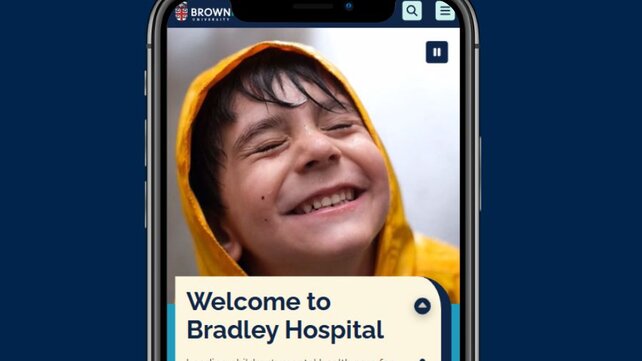
Bradley Hospital Expands Access to Trusted Child and Adolescent Behavioral Health Resources in Newly Redesigned Website

Bradley launched its newly redesigned website, www.bradleyhospital.org, marking a significant step in our ongoing efforts to advance mental health care for children and adolescents. As behavioral health needs among young people continue to rise nationwide, the site offers clinicians, educators, and community partners streamlined access to Bradley’s specialized services, clinical expertise, and evidence‑based programs. To learn more, read the press release and check out the site!

Discover the New Bradley Hospital Website

As behavioral health challenges affecting children and adolescents continue to rise nationwide, families, clinicians, and educators can turn to Bradley Hospital for specialized care, expertise, and guidance. The new website is designed to make it easier than ever for those seeking help to connect with Bradley’s nationally recognized programs, research, and clinical experts.

Where the Mind Meets Medicine in Pediatric Care

by Rawya Al-Jabari, PhD


The Medical Psychiatric Program at Hasbro Children’s provides comprehensive, integrated care for children and adolescents with comorbid psychiatric and medical illness, while supporting the families caring for them. Designed for patients whose medical illnesses are complicated by emotional or behavioral distress, the program offers family-based integrated treatment delivered by a dedicated multidisciplinary team.

 When psychiatric stress accompanies medical illness, children and adolescents often experience meaningful disruption at home, at school, and in peer relationships. Patients frequently present with gastrointestinal conditions, eating disorders, chronic pain syndromes, and other complex medical concerns. Many also require diagnostic clarification to understand the full picture of their symptoms. Using an evidence-based, family-centered model, the team addresses both the psychological and medical drivers of illness to improve daily functioning and long-term outcomes. 

The medical psychiatric program team matches the level of care for each patient to the severity of their distress and medical needs. Care is grounded in two core principles of the family-based integrated treatment: 

1. Beliefs shape behavior and emotional experience. 

2. Relationships between the patient, family, community, and the illness itself influence recovery. Understanding and addressing both helps guide effective intervention. 

The multidisciplinary team consists of a pediatrician, psychiatrist, psychologist or social worker, nurse, and milieu therapists, with additional specialty consultation as needed. Each member of the team supports the key tenets of family-based integrated care by focusing on: 

  • building skills to make safe choices around functioning 
  • empowering children, adolescents and their families and disempowering the illness that impairs functioning 
  • balancing support and change for a better, more functional life for the individual and the family, all in the context of understanding the beliefs and relationships that make up the comorbid psychiatric and medical illness 

At all levels of care, efforts are made to work collaboratively with providers in the community, schools, and families to help support safe return to functioning. 

Referring clinicians can call the intake clinician for consultation or additional information about inpatient and partial level care for youth with comorbid psychiatric and medical illness at 401-444-6751.

Coronavirus and kids stress

Pediatric Medical Psychiatric Program at Hasbro Children's

To contact the Medical Psychiatric Program, please email us at [email protected] or call 401-444-6751