
Diabetes Prevention Program: Improving Individual Lifestyles Together

A woman weighing 300 pounds loses 40 percent of her body weight. Her blood pressure and A1C (average blood glucose level) drop to normal levels. Her doctor, once unable to clear her for surgery, now says she’s ready.

This success story is just one of many that Sheryl Parente celebrates. An outreach specialist with Brown University Health’s Community Health Institute, Parente is a lifestyle coach/facilitator for the Diabetes Prevention Program (DPP).

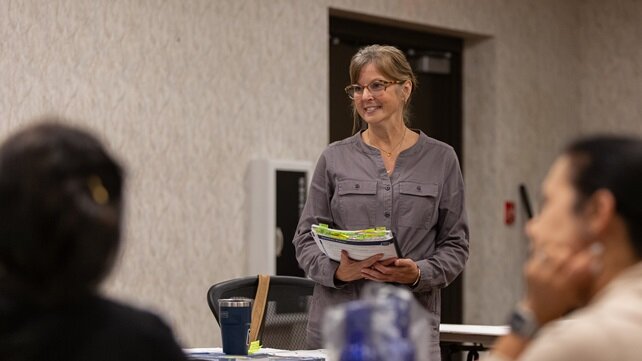
An instructor leading a free Diabetes Prevention Program class at the Brown University Health Community Health Institute.

Diabetes Prevention Program

The free Diabetes Prevention Program (DPP) at the Brown University Health Community Health Institute is an evidence-based program that teaches people at risk for developing diabetes how to implement a healthy lifestyle with the goal of preventing or delaying the onset of type 2 diabetes. 

Learn More

“It really is such a fulfilling job,” Parente says. “Participants continuously thank me, but I’m the one who feels grateful. Witnessing them make healthy and sustainable changes over the course of our year together is very rewarding.”

With a background in psychology and education—and as a person living with Type 1 diabetes—Parente brings both expertise and empathy. She inspires participants to turn the science of healthy living into everyday practice.

Why It Matters

Brown Health’s DPP is an evidence-based program that helps people at risk for type 2 diabetes make lasting changes. In Rhode Island, the need is urgent: the percentage of adults with diabetes nearly doubled between 2000 and 2023, and more than one-third of residents are prediabetic. Without intervention, most will develop type 2 diabetes.

A Practical Approach

“Quick fixes don’t work,” Parente emphasizes. “If you’re looking for a hack, there are none.” Instead, the DPP offers a realistic, flexible, year-long program that participants can sustain.

The first four months focus on weekly meetings, followed by less frequent check-ins as habits solidify. Group camaraderie and accountability often sparks progress, but one-on-one support is also available.

More Than Food

“We think about the person holistically,” Parente says. “It’s not just about what to eat. Some of the other curriculum topics include the importance of managing our stress, understanding triggers, emotional eating, the importance of getting a good night’s sleep, routine movement, and the mind-body connection.”

The Community Health Institute ensures access for all by offering free transportation, sessions in Spanish, interpreters in other languages, and both in-person and virtual meetings.

Getting Started

Parente’s advice for anyone considering the program:

  • Know your numbers
    Get your A1C checked. Elevated blood sugar over time can silently harm the heart, nerves, and other organs.
  • Practice healthy lifestyles
    Motivation and support make the difference. The DPP combines accountability, encouragement, and practical tools to help participants—and their families—build healthier lives one step at a time.

Learn more about the Diabetes Prevention Program and how to register